Injection Molding Technique
The innovative Customized Hybrid Index. Updated clinical procedures and clinical applications with Marco Veneziani.
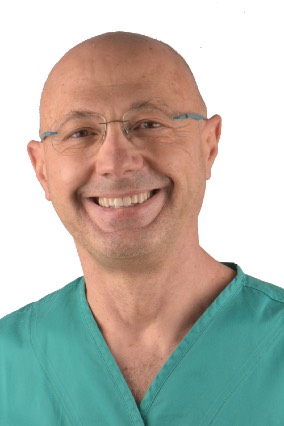 Your lecturerMarco Veneziani
MOLDING
TECHNIQUE26 MARCH 2027
- Date
- Location
- Moscow, Russia
- Course language
- English with consecutive translation into Russian
A biomimetic approach to anterior restorations
“Nothing increases or decreases professional prestige more than a good or bad restoration performed in anterior teeth.”
In the anterior region, aesthetic restorations using direct techniques present particular challenges during both the diagnostic and operative phases. The restorative approach must be as biomimetic as possible, faithfully emulating natural teeth in both aesthetics and function. An in-depth knowledge of the form and colour of natural teeth, composite materials and adhesive procedures is essential to meet patients’ increasing aesthetic expectations. The course will analyse indications, cavity design, “modified anatomical stratification” techniques, and the important stages of finishing and polishing composite restorations.
Injection Molding Technique is a powerful therapeutic option in restorative dentistry, aimed at improving the aesthetics and function of teeth. This repeatable and predictable technique uses a direct/indirect procedure to transform a digital tooth design and a wax-up, either analogue or digital, into a definitive composite restoration.
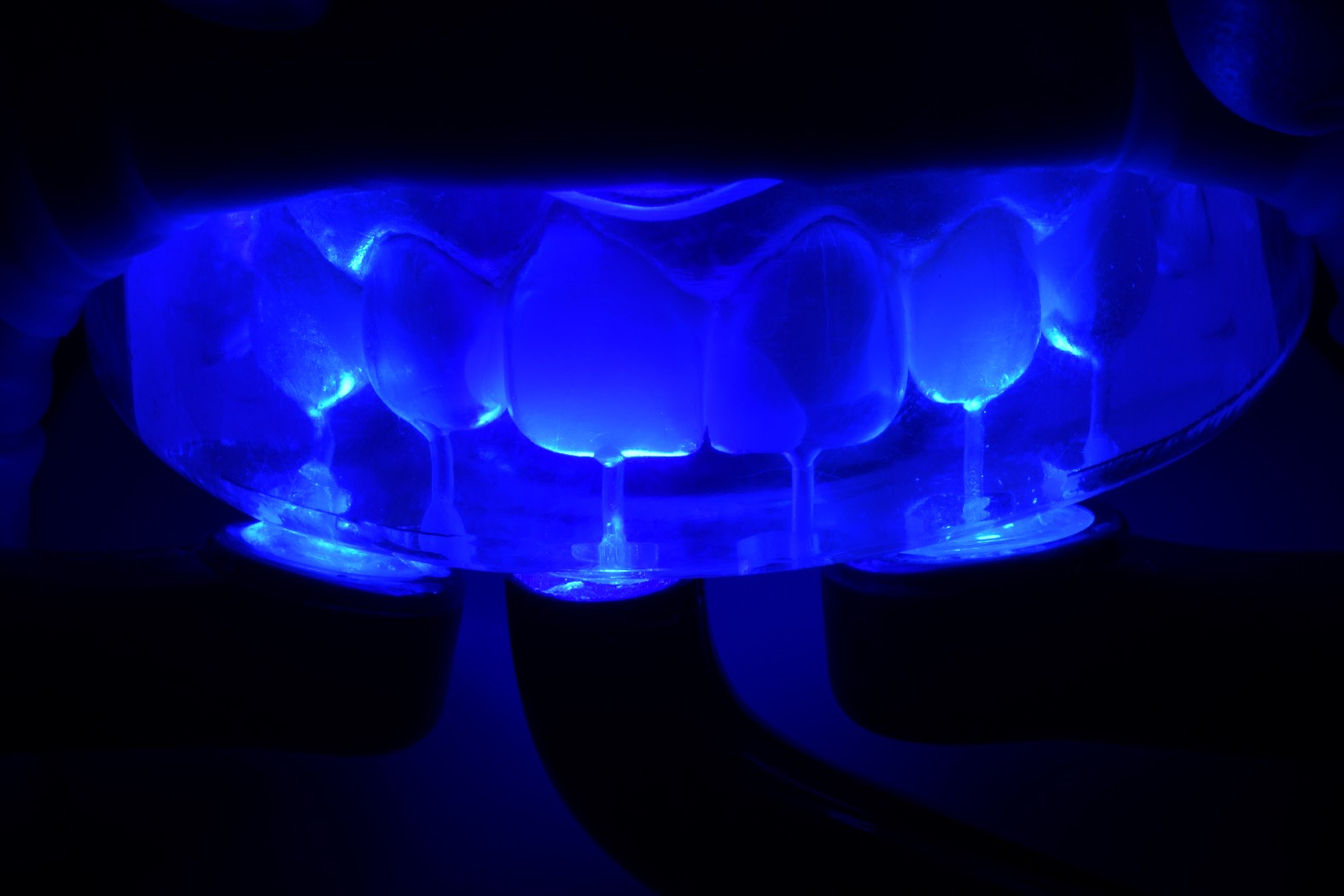
The author has developed an innovative version of the technique using a new index designed specifically for the injection procedure: the Customized Hybrid Index, published in the International Journal of Esthetic Dentistry, issue 1, 2025. The technique uses flowable or thermoviscous composites to restore tooth shape, surface and texture by replicating forms developed through precise laboratory waxing and tested with mock-ups before injection.
Its classic field of application is adhesive restorative dentistry, particularly additive cases such as diastemas, erosion and abrasion. Treatment can range from a single restoration or a few anterior teeth to full-mouth adhesive rehabilitation. The technique is also strategically useful in orthodontic cases, allowing the final tooth volumes to be defined before orthodontic movement.
A further application developed by the author involves periodontal cases, including severe cases with significant loss of periodontal support. After appropriate surgical or non-surgical periodontal therapy, suitable tooth forms can be re-established by closing black triangles and, where appropriate, splinting teeth with significant mobility. These numerous applications make the technique an important therapeutic opportunity within an increasingly conservative and minimally invasive approach.
- The innovative Customized Hybrid Index
- Updated clinical procedures
- Updated clinical applications
What you will learn
- Understand the operative sequence for the Injection Molding Technique.
- Distinguish between the monolithic one-stage approach and the layered two-stage approach, using clinical cases to understand when each is appropriate.
- Understand the innovative Customized Hybrid Index: what it is and how to use it.
- Explore the updated clinical applications: restorative dentistry, pre- and post-orthodontic treatment, periodontal cases and full-mouth adhesive rehabilitation.
The full masterclass programme
11:30–12:00 Coffee break
13:30–14:30 Lunch
Aesthetics, adhesion and composite restorations
- Aesthetic criteria: the aesthetic checklist and visagism.
- Adhesive procedures: three-step, two-step self-etch (SE) and universal systems.
- Indications for composite restorative techniques, including direct layering and indirect techniques.
The Customized Hybrid Index
- Indications.
- The innovative Customized Hybrid Index: how to build and use it.
- Step-by-step operative sequences.
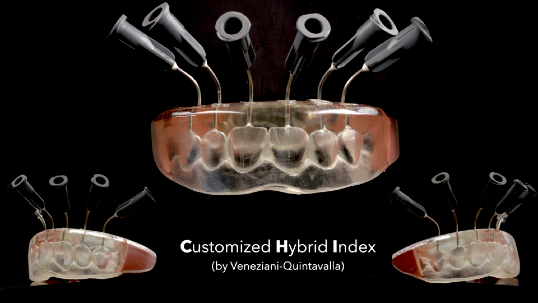
Customized Hybrid Index by Veneziani–Quintavalla.
Monolithic and layered workflows
- Monolithic technique: one stage, one step.
- Monolithic technique: one stage, two steps (every-other-tooth).
- Multilayering technique: a two-stage approach in three steps.
- Layered technique: two stages, four steps — “Optical Fake”.
From a single restoration to full-mouth rehabilitation
Restorative cases
Peg-shaped teeth, diastemas and altered tooth proportions.
Pre- and post-orthodontics
Application before and after orthodontic treatment.
Periodontal cases
Clinical applications in the periodontal setting.
Full-mouth adhesive rehabilitation
Extending the injection technique to comprehensive restorative treatment.
Clinical videos & live demonstration
- Patient video: multilayering injection in the anterior region using two indexes.
- Clinical video: intrasurgical restorations for fractures extending far below the cementoenamel junction (CEJ).
- Live demonstration by Marco Veneziani.
The technique in practice
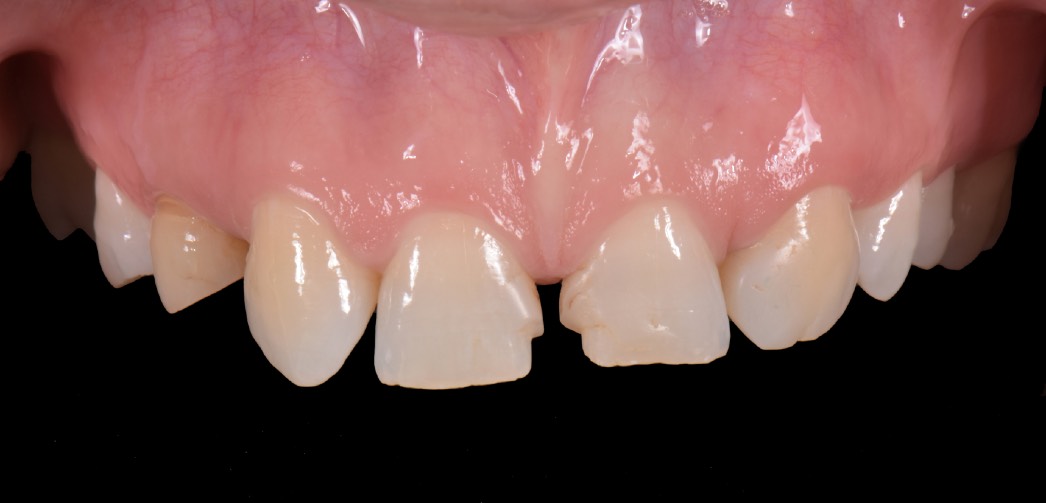
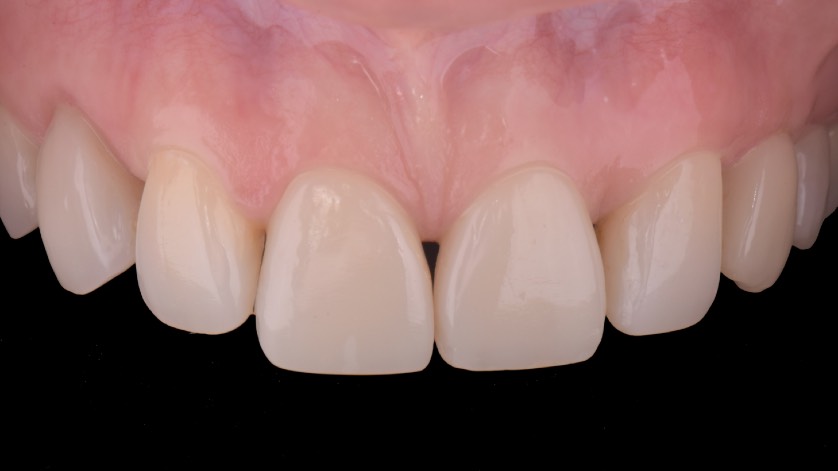
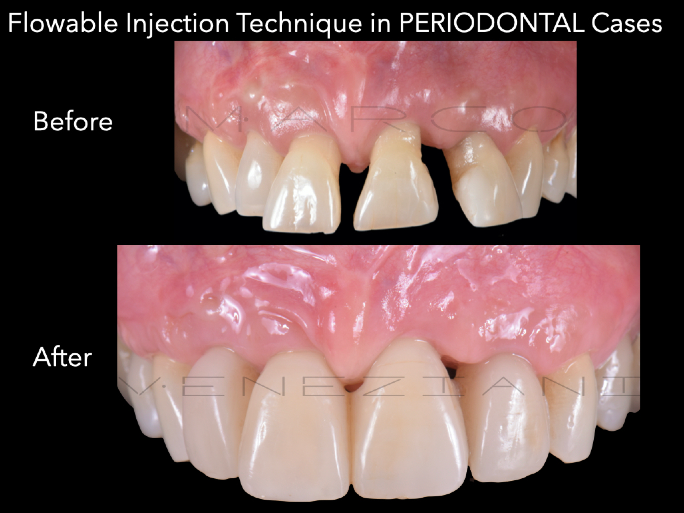
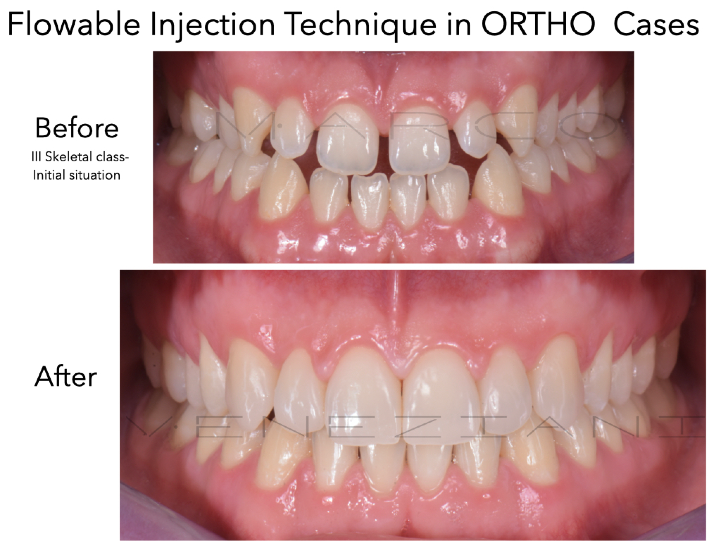
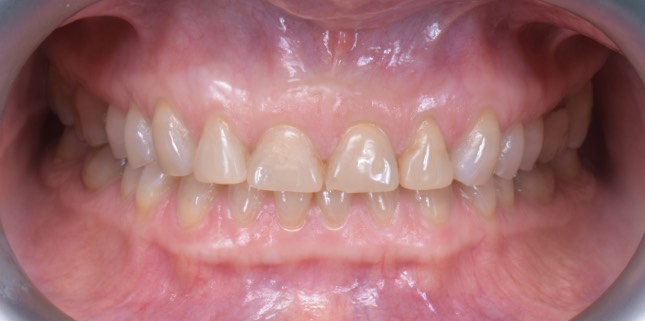
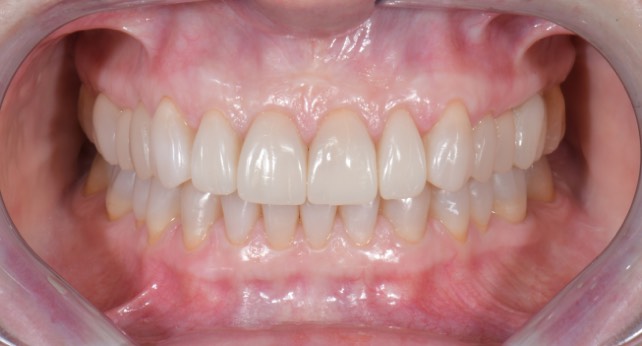
Clinical photographs by Marco Veneziani, reproduced from the course brochure.
Marco Veneziani
Restorative dentistry and periodontology. Author of Solutions – Adhesive Restoration Techniques and Integrated Surgical Procedures and developer of the Customized Hybrid Index.
Education and clinical training
Marco Veneziani was born in Piacenza, Italy, on 19 November 1964. He graduated in Dentistry and Dental Prosthetics from the University of Milan in 1988 with a grade of 110 cum laude.
He developed his expertise in conservative dentistry, prosthetics and periodontology through annual courses with Dr. S. Patroni and Dr. P. P. Cortellini. He then completed a specialisation course in implant surgery techniques with Prof. Weistein at the University of Milan and an advanced surgery course applied to implantology with Dr. C. Tinti and M. Simion. He further refined his mucogingival surgery techniques through a theoretical and practical course with Prof. G. Zucchelli.
Academies and teaching
An active member of the Accademia Italiana di Conservativa e Restaurativa (AIC) since 1996, he served on its Membership Acceptance Commission in 2001–2006, 2006–2011 and 2019–2024, and on its Cultural Commission in 2012–2015.
He has been an active member of the Italian Academy of Esthetic Dentistry (IAED) since 2012 and a member of its Board of Directors, and an active member of the International Academy for Digital Dental Medicine (IADDM) since 2015.
He is a visiting professor at the University of Pavia, Italy, and teaches on Master’s programmes in Restorative Dentistry at the universities of Turin, Bologna and Milan (Humanitas University).
Publications
He lectures on restorative dentistry and periodontology at national and international courses and congresses, and is the author of publications on conservative and prosthetic dentistry in national and international journals.
He authored the chapters on amalgam and composite restorations in Restorative Dentistry (Elsevier, 2009) and contributed chapters to Esthetic Restorative Dentistry by AIC (Quintessence, 2021). He is the author of Solutions – Adhesive Restoration Techniques and Integrated Surgical Procedures (Edra, 2021), translated into seven languages.
Awards and peer review
He won first prize in the “Premio Case Report Dentista Moderno” in 2002. He was a finalist, taking third place, in the international AIOP–APS Excellence in Prosthodontics Award in 2015. In 2024, the Global Summit Institute recognised him among the world’s top doctors. He is a reviewer for the International Journal of Esthetic Dentistry.
Education centre and private practice
He delivers training and advanced courses, including hands-on sessions in restorative dentistry with a multidisciplinary approach, at his educational centre, MFV Communication, in Vigolzone, as well as throughout Italy and internationally.
He has been in private practice in Vigolzone (Piacenza, Italy) since 1 April 1989, with a multidisciplinary and innovative approach to dentistry.
Professional contact details from the full CV
Dr. Marco VenezianiVia Roma, 57
I-29020 Vigolzone (PC), Italy
Tel/Fax: +39 (0)523 870362
Mobile: +39 3351435187
Email: [email protected]
Courses: [email protected]
www.studiodentisticoveneziani.com
Contact us
Marco Veneziani · Moscow
26 March 2027
Ask a question, request more information or arrange your place on the course with the Dent4 team.